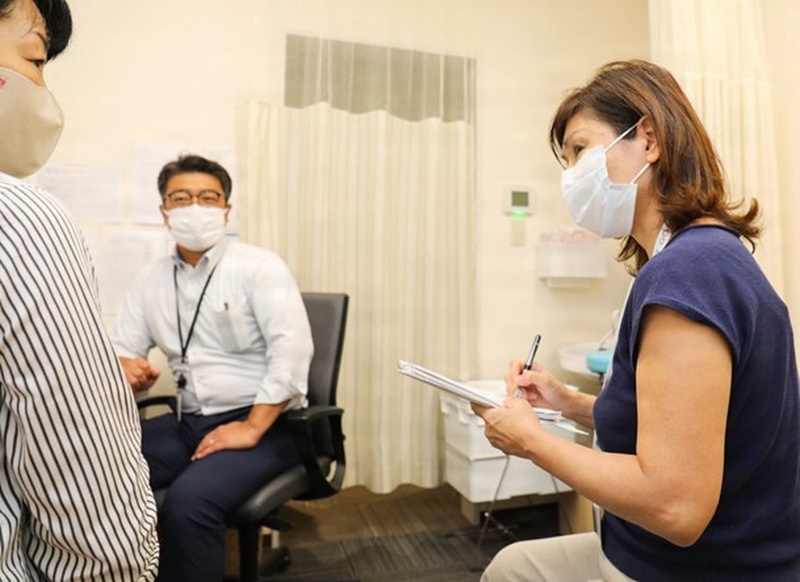
The Department of War has extended and expanded the Pilot Health Insurance Enhancement for DOW Civilian Employees in Japan, reaffirming its commitment to securing high-quality healthcare navigation and mitigating upfront medical costs for its overseas civilian workforce and their families.
The contract extension, awarded to International SOS Government Services, Inc., begins Sept. 30, 2026, and runs through Sept. 29, 2027. In direct response to feedback from the DOW civilians, eligibility is now expanded to include authorized dependents of DOW civilian employees, provided they are enrolled in a participating Federal Employee Health Benefit plan.
"Our civilian workforce is a cornerstone of our operational readiness and mission success in...
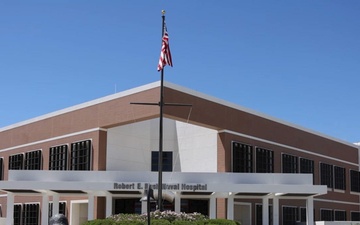
Navy Medicine Readiness and Training Command (NMRTC) Twentynine Palms welcomes Sailors and staff to the command and the surrounding community. This welcome aboard video provides an introduction to NMRTC Twentynine Palms, Naval Hospital Twentynine Palms, Marine Corps Air Ground Combat Center Twentynine Palms and the surrounding area, highlighting the command's mission, healthcare services, operational environment, installation amenities and recreational opportunities throughout the region.
Video produced and edited by Christopher Jones, NMRTC/NH Twentynine Palms public affairs officer. Additional courtesy footage included from Joshua Tree NPS, Visit Twentynine Palms, Visit Big Bear, MCCS Twentynine Palms, Palm Springs Aerial Tramway,...