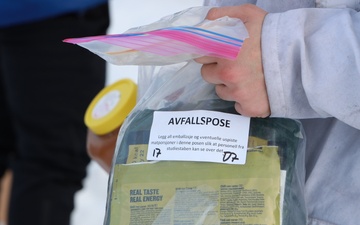
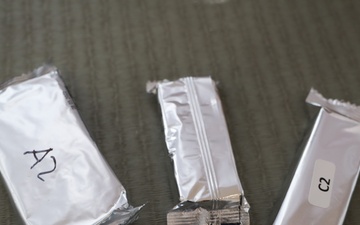
Hungry individuals don’t put much thought into the packaging of their food. When people grab a snack, they generally rip into it and toss it aside to get to the good stuff.
Batteries for cellphones and other small devices deplete quickly outside in the winter. To make sure warfighters are focused on the mission — and not the temperature or malfunctioning equipment — War Department experts are creating specialized technology and adapting current equipment to survive in frigid climates.
As the U.S. military and its adversaries shift focus to the Arctic, working with partner nations in cold-weather regions to make sure our warfighters can survive those extremes has never been more important.
As the race to control the Arctic intensifies, more research is focused on how to optimize service member performance in the extreme cold. Researchers at the U.S. Army Research Institute of Environmental Medicine’s Military Nutrition Division in Natick, Mass., study physiological stressors that warfighters encounter to determine the best way to deliver the right nutrition and energy to increase warfighter lethality.
A lab in Natick, Massachusetts, tests recipes and evaluates commercial kitchen equipment specifically for naval vessel galleys to help make life easier for culinary specialists and to give more options to sailors on board.
The Armed Forces Recipe Service's food technologists, chefs and dietitians develop recipes for dining facilities on land, at sea and on the go, and they’ve already mapped out how to scale-up recipes to feed large contingents.
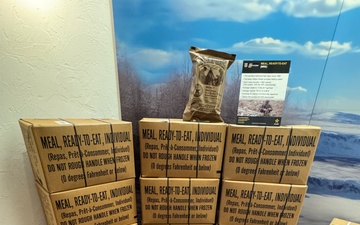
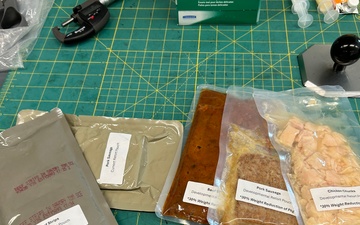
Every year, food scientists at the Army labs in Natick, Massachusetts, work to develop new components for meals ready to eat based on warfighter feedback received by each service to add variety or replace unpopular items.
War Department experts constantly research and implement new technologies to improve the food that supports service members’ ever-changing nutritional needs. A few new creations are helping to optimize warfighter performance during combat and recovery.