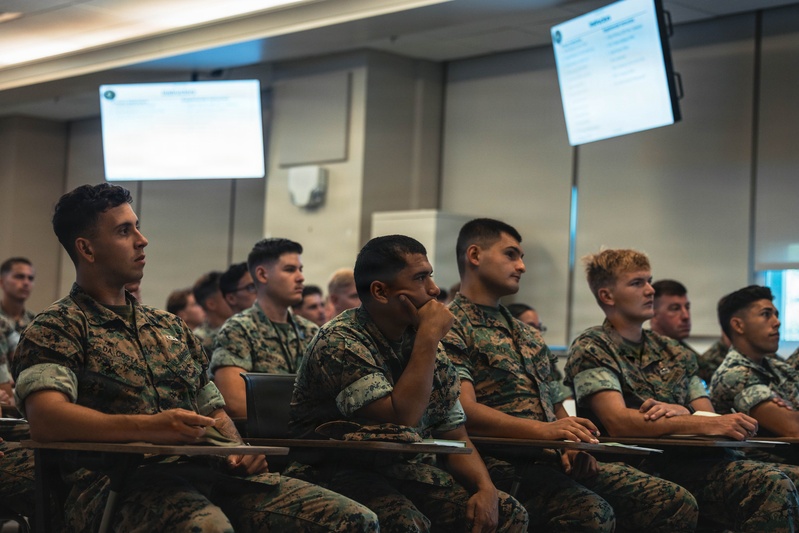
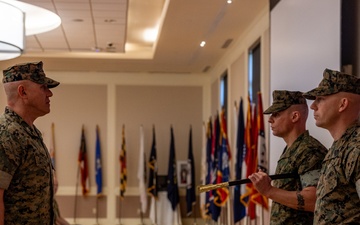
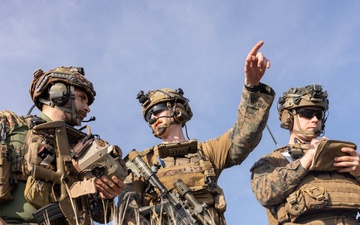
U.S. Marines with Alpha Company, 2nd Reconnaissance Battalion, listen to an instructor during a multi-domain reconnaissance course check-in process on Marine Corps Base Camp Lejeune, North Carolina, July 10, 2026. The multi-domain reconnaissance course provides the 26th Marine Expeditionary Unit’s maritime raid force and other intelligence collectors from the command element with reconnaissance and surveillance training, enabling the accomplishment of the 26th MEU’s mission essential tasks on their upcoming deployment. (U.S. Marine Corps photo by Sgt. Jorge Borjas)
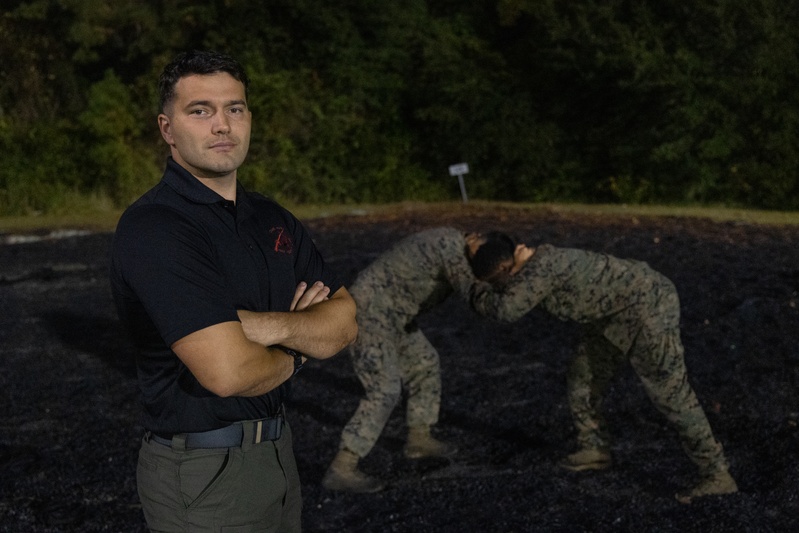
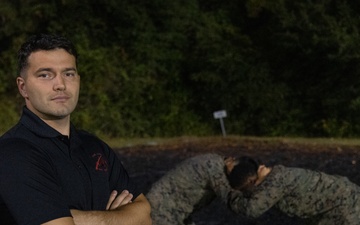
CAMP LEJEUNE, N.C. – Martial arts and combative sports are a skillset many people use for various ways. Some want to learn how to defend themselves in case they are ever attacked. Others have been involved in these sports for years and compete professionally. For U.S. Marine Corps Staff Sgt. Charles Copeland, the fire and effects coordination center chief at the 26th Marine Expeditionary Unit (MEU), martial arts and combative sports taught him how to be comfortable being uncomfortable.
Copeland grew up in a small town in Minnesota . Even when he was younger, he always found himself being told he couldn’t participate in challenging sports because of his smaller stature compared to the rest of the kids around him.
“I just...
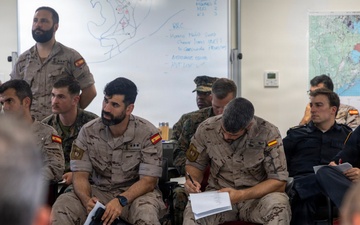
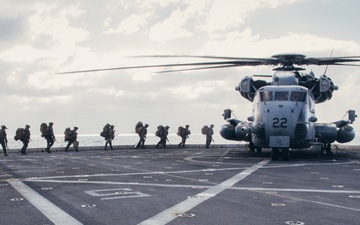
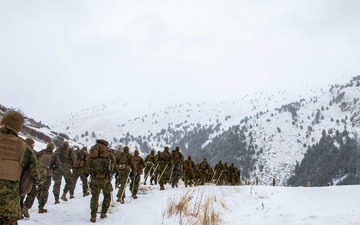
SOUDA BAY, Greece – U.S. Marines and Sailors with the 26th Marine Expeditionary Unit (Special Operations Capable) (MEU(SOC)), embarked aboard the ships of the Bataan Amphibious Ready Group (BATARG) conducted advanced ARG/MEU readiness sustainment training, Naval Support Activity Souda Bay, Greece, Feb. 16-20, 2024.