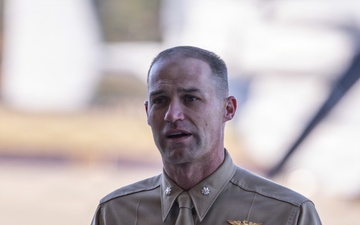
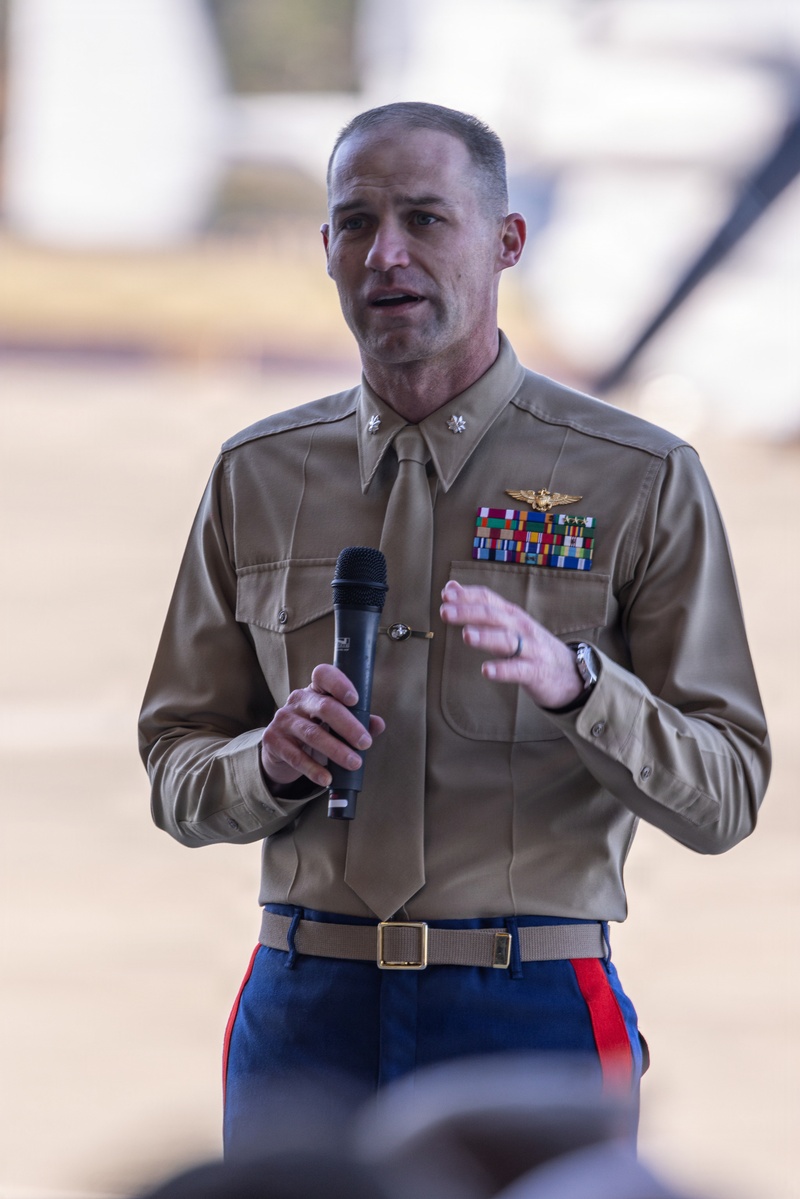
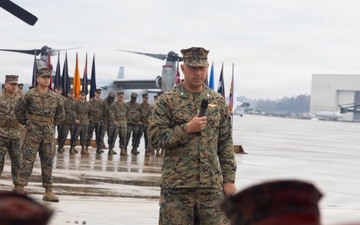
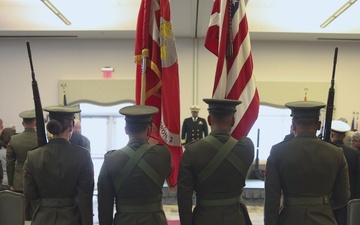
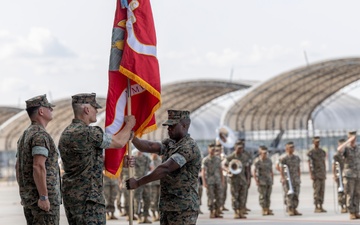
U.S. Marine Corps Lt. Col. Paul J. Lancaster, from Texas and commanding officer of Marine Medium Tiltrotor Squadron (VMM) 264, Marine Aircraft Group 26, 2nd Marine Aircraft Wing, addresses the audience during a reactivation ceremony at Marine Corps Air Station New River, North Carolina, Dec. 11, 2025. VMM-264’s reactivation adds an additional MV-22B Osprey squadron to 2nd MAW and II Marine Expeditionary Force and reflects incremental adjustments in Force Design to meet the operational demands of the service. (U.S. Marine Corps photo by Cpl. David Ornelas Baeza)
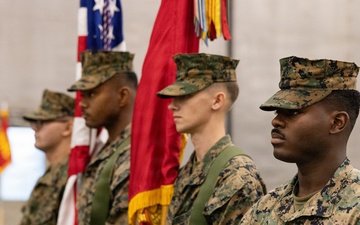
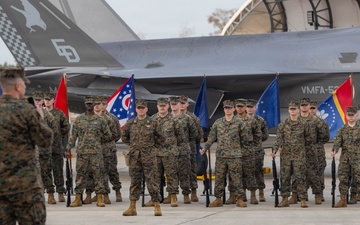
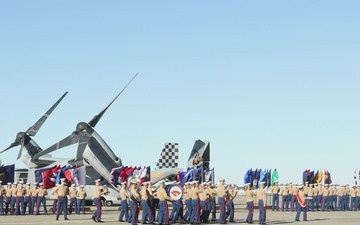
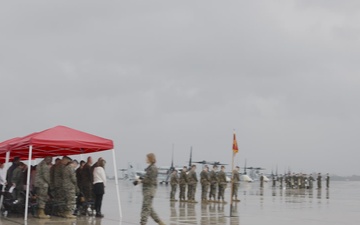
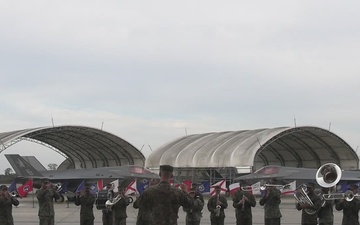
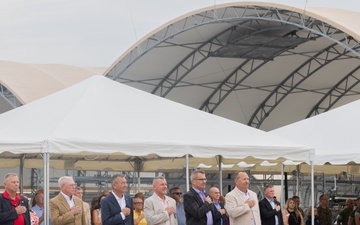
U.S. Marines with Marine Medium Tiltrotor Squadron (VMM) 264 conduct the squadron's reactivation ceremony at Marine Corps Air Station New River, North Carolina, Dec. 11, 2025. VMM-264’s reactivation adds an additional MV-22B Osprey squadron to 2nd MAW and II Marine Expeditionary Force, providing additional assault support capability. (U.S. Marine Corps photo by Lance Cpl. Gavin K. Kulczewski)
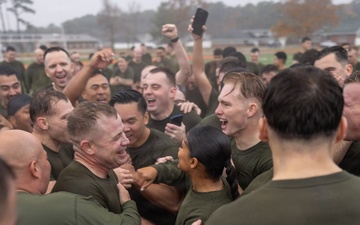
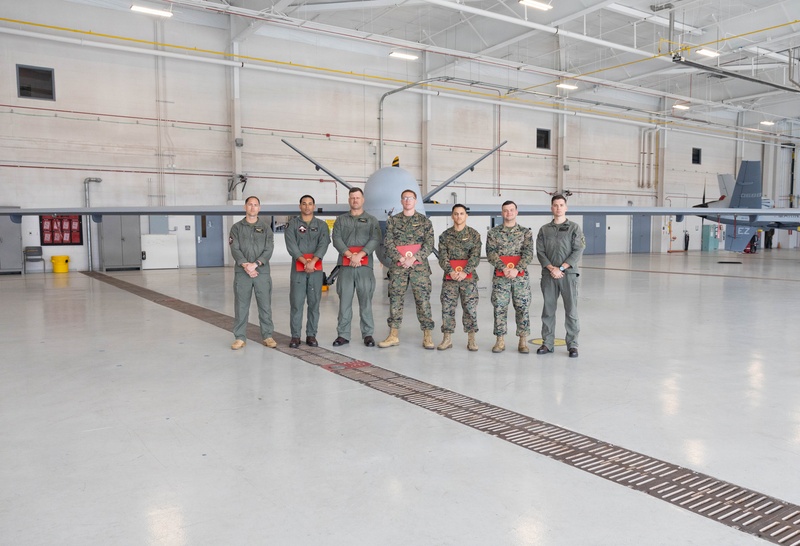
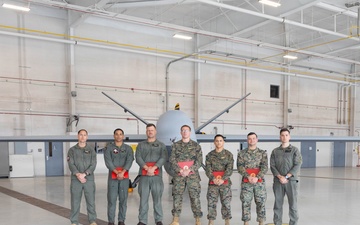
U.S. Marines with Marine Unmanned Aerial Vehicle Training Squadron (VMUT) 2, Marine Aircraft Group 14, 2nd Marine Aircraft Wing, graduated their first class of MQ-9A Reaper student pilots and sensor operators as a Fleet Replacement Squadron at Marine Corps Air Station Cherry Point, North Carolina, on Monday. The graduates are the first MQ-9A Reaper pilots and sensor operators to be trained through the Marine Corps’ organic MQ-9A training syllabus.
Since 2018, the U.S. Air Force has supported Marine Corps MQ-9A training through the Inter-service Training Review Organization agreement. Beginning this year, the Marine Corps established its own training capability through the Air Vehicle Aircrew program at Naval Air Station...
11.07.2025 | MARINE CORPS AIR STATION CHERRY POINT, NORTH CAROLINA, US |
Story by 1st Lt. John Graham