
 Subscribe
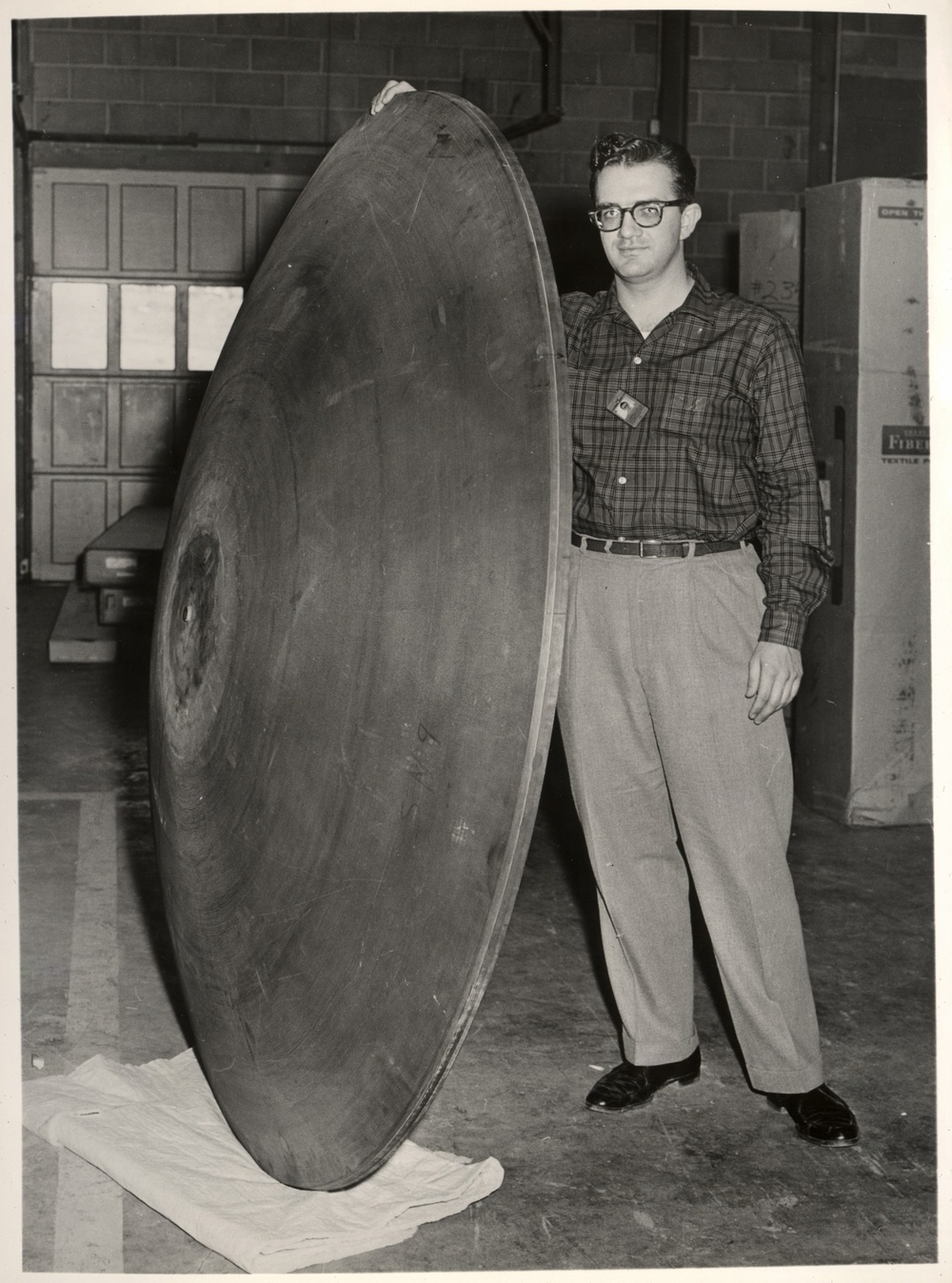
The heats generated by transiting the atmosphere required materials capable of withstanding temperatures over 1,000 degrees. The Materials Lab developed and experimented with metals like beryllium (shown here) that could absorb and dissipate heat and with ablatives that shed heat by constantly burning and melting away. This research benefitted both nuclear warheads and NASA’s manned space capsules. (AFRL)
From the Aiming Higher: A Visual History of the First Century of Air Force Research and Development publication.
AFRL History Office
Air Force Research Laboratory
Wright-Patterson Air Force Base, Ohio
| Date Taken: | 06.01.2018 |
| Date Posted: | 11.19.2026 14:58 |
| Photo ID: | 10103974 |
| VIRIN: | 180601-F-EG995-4341 |
| Resolution: | 2175x2931 |
| Size: | 1.13 MB |
| Location: | US |
| Web Views: | 8 |
| Downloads: | 0 |

This work, Aiming Higher [Image 83 of 83], by Kenneth M McNulty, identified by DVIDS, must comply with the restrictions shown on https://www.dvidshub.net/about/copyright.


No keywords found.