
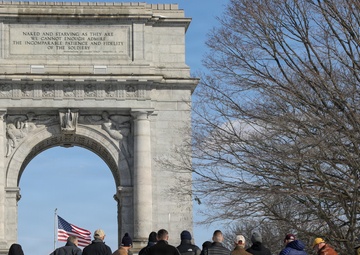
Story by Sgt. 1st Class Deziree Lau | 99th Readiness Division | 02.02.2026
VALLEY FORGE, Pa. – “I want you to view Valley Forge as a forward operating base,” said Stephen Harlan, command historian for the U.S. Army Reserve’s 99th Readiness Division, during the division's first staff ride of the year Jan. 23....

Courtesy Story | U.S. Army Intelligence Center of Excellence | 12.19.2025
On Dec. 14, 1776, General George Washington sent a letter to his brigade commanders stationed along the Delaware River. Washington gave general instructions for the river’s defense. Moreover, he expressed the intelligence of the enemy and terrain required to prepare for his next move against the British....
Courtesy Story | U.S. Army Intelligence Center of Excellence | 12.19.2025
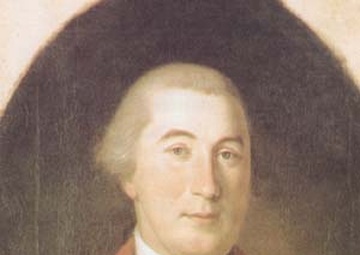
On Dec. 22, 1776, Col. Joseph Reed urged his commander, General George Washington, to make an attack on Trenton, New Jersey. Reed had been gathering intelligence on the British along the Delaware River for almost two weeks. His recommendation helped set in motion the Continental Army’s dramatic victory on Christmas 1776....
Courtesy Story | U.S. Army Intelligence Center of Excellence | 12.19.2025
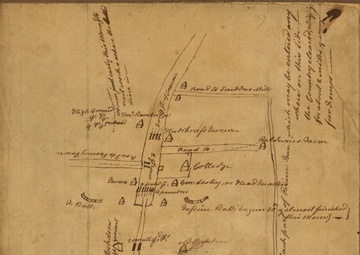
On Dec. 31, 1776, Col. John Cadwalader, a senior leader in the Pennsylvania militia, provided detailed intelligence on the British position and forces in Princeton, New Jersey. This gave General George Washington the critical information he needed for his next attack on the British on Jan. 3, 1777....
Courtesy Story | U.S. Army Intelligence Center of Excellence | 10.01.2025
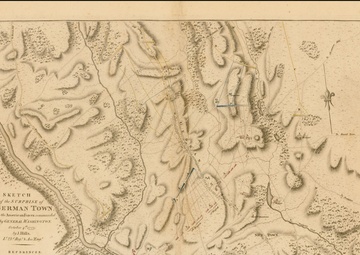
On Oct. 4, 1777, American forces under General George Washington fought a sharp contest northwest of Philadelphia. Washington had hoped to achieve a Trenton-like victory by attacking a portion of Maj. Gen. William Howe’s British army at Germantown. Intelligence in the first days of October gave him his opportunity....
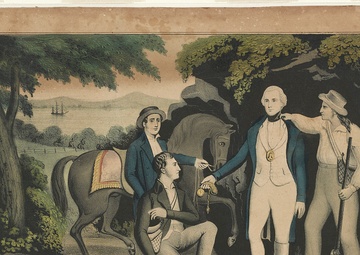
Courtesy Story | U.S. Army Intelligence Center of Excellence | 09.19.2025
On Sep. 23, 1780, Maj. John André, a British intelligence officer, was arrested by three American militiamen. His arrest thwarted the plans of American turncoat Gen. Benedict Arnold to betray the defenses of West Point to the British....
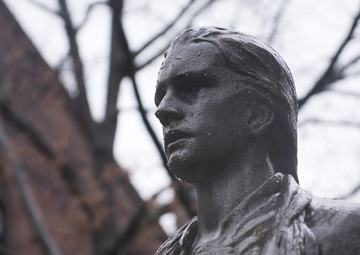
Courtesy Story | U.S. Army Intelligence Center of Excellence | 09.19.2025
On Sep. 22, 1776, the British executed 21-year-old Nathan Hale as a spy in New York City. Although Hale’s mission failed and ended in his death, he serves as an example of selfless sacrifice in the service of his country....
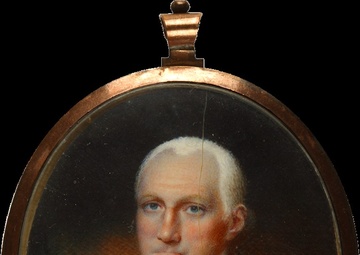
Story by Lori Stewart | U.S. Army Intelligence Center of Excellence | 09.12.2025
On Sep. 18, 1778, Lt. Lewis J. Costigin of the 1st New Jersey Regiment was released by the British in New York City. Held as a prisoner of war for the previous two years, Costigin remained in the city after his release to carry out an audacious spying operation for General George Washington....




