
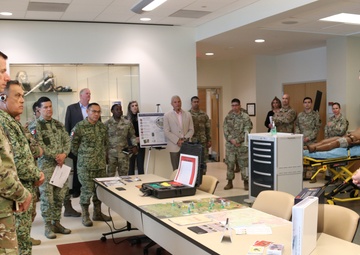
Photo by Paul Lagasse | Medical Research and Development Command | 06.10.2025
Daniel Boehm, right, a field medical education specialist in the Chemical Casualty Care Division of the U.S. Army Medical Research Institute of Chemical Defense, speaks with a group of visitors in USAMRICDs Vedder Simulation Laboratory....
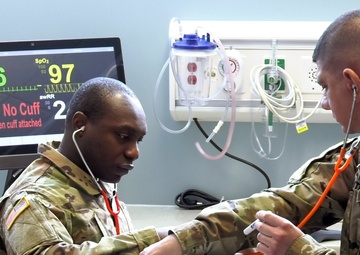
Photo by Paul Lagasse | Medical Research and Development Command | 06.10.2025
Participants in a medical simulation exercise at the U.S. Army Medical Research Institute of Chemical Defense Vedder Simulation Laboratory assess a simulated nerve agent patient....
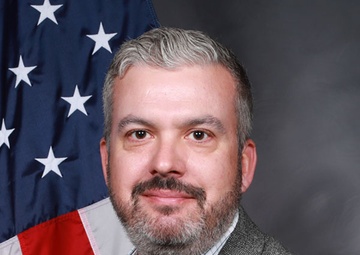
Photo by Paul Lagasse | Medical Research and Development Command | 01.02.2025
Dr. Bryan McCranor, a research biochemist with the Medical Toxicology Research Division of the U.S. Army Medical Research and Development Command’s Institute of Chemical Defense, has been named a recipient of the 2024 Presidential Early Career Award for Scientists and Engineers, which recognizes scientists and engineers who have made outstanding contributions to their chosen research fields......
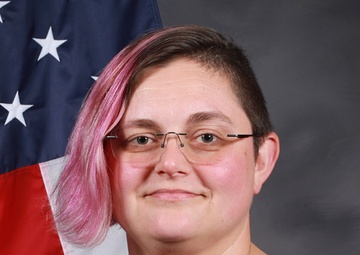
Photo by Paul Lagasse | Medical Research and Development Command | 01.02.2025
Dr. C. Linn Cadieux, a research chemist with the Medical Toxicology Research Division of the U.S. Army Medical Research and Development Command’s Institute of Chemical Defense, has been named a recipient of the 2024 Presidential Early Career Award for Scientists and Engineers, which recognizes scientists and engineers who have made outstanding contributions to their chosen research fields......
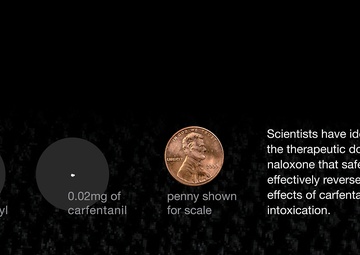
Courtesy Photo | Defense Threat Reduction Agency's Chemical and Biological Technologies Department | 07.30.2020
The powdery dust next to the penny is 2mg of fentanyl. Just 2mg can be lethal to people. Source: U.S. Drug Enforcement Administration (DEA). Fentanyl. DEA website. https://www.dea.gov/galleries/drug-images/fentanyl. Accessed May 26, 2020....
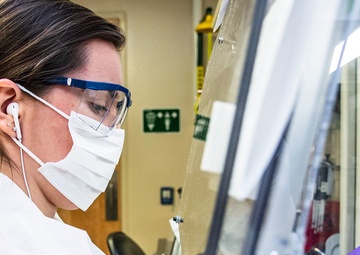
Courtesy Photo | Defense Threat Reduction Agency's Chemical and Biological Technologies Department | 06.15.2020
A DNA technician, with the Armed Forces Medical Examiner System DoD DNA Operations, prepares DNA for extraction. Photo courtesy of the U.S. Army. Photo by Sgt. Sarah D. Williams....
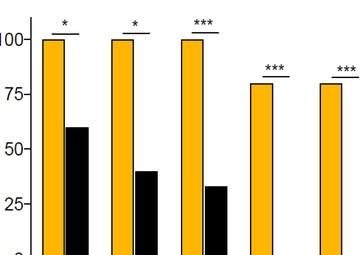
Courtesy Photo | Defense Threat Reduction Agency's Chemical and Biological Technologies Department | 05.23.2018
A single dose of Cyto-111 provides protection in mice at times refractory to antitoxin treatment. Mice lethally intoxicated with 2x LD50 BoNT/A become symptomatic between 6-8 hours after intoxication. Treatment was initiated with a single dose of Cyto-111 or antitoxin (sufficient to neutralize 10,000x LD50) administered at different times post-intoxication. Whereas a single treatment of......
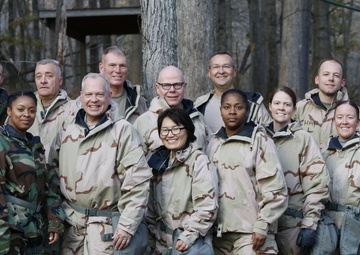
Courtesy Photo | 20th CBRNE Command | 11.16.2017
Unit ministry teams from across the 20th CBRNE Command footprint gathered at Aberdeen Proving Ground over five days in late November to take part in a Field Management of Chemical and Biological Casualties (FMCBC) Course conducted by personnel from the U.S. Army Medical Research Institute of Chemical Defense (USAMRICD). Pictured in the group photo (from L to R front row) are Chaplain (Maj.)......




