
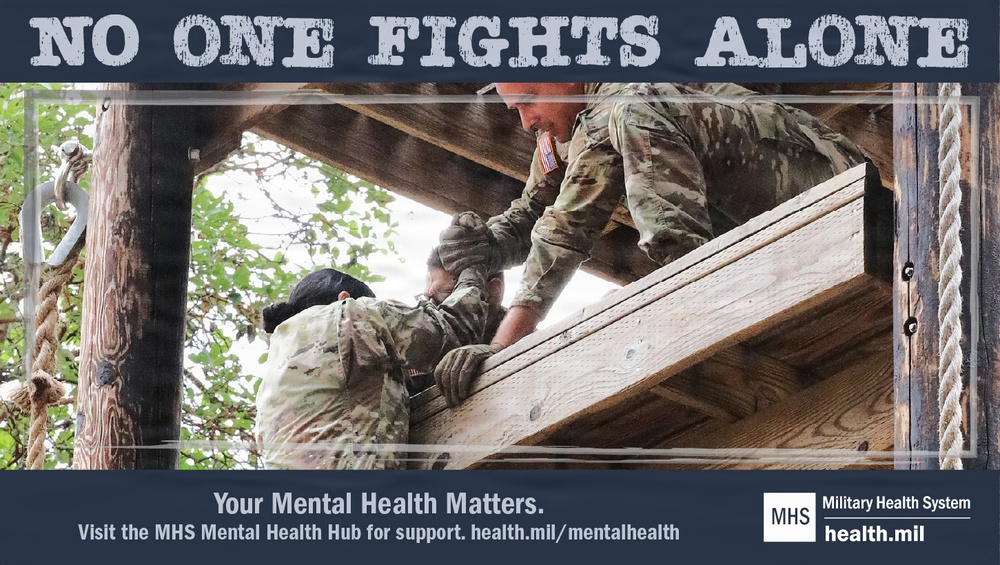
Photo By Kim Farcot | From the moment service members step into training, throughout their careers in...... read more read more
The Department of War recognized unique and innovative suicide programs praised for building partnerships, strengthening programs, equipping leaders and peers, connecting people with resources, and creating environments in which service members and families could more readily seek support.
In a Sept. 2, 2026, ceremony in the Pentagon’s Hall of Heroes, 13 programs – 11 DOW and two U.S. Coast Guard — were recognized for ensuring service members and their families know help is always within reach.
“It is not just what they did during the last Suicide Prevention Month. They represent sustained efforts, informed by data, informed by the needs of their particular communities that they are serving,” said Dr. Alicia Matteson, acting director of the Defense Suicide Prevention Office, during the ceremony.
Keith Bass, the assistant secretary of war for health affairs, praised the honorees before he personally congratulated each one with recognition awards.
“Today, we honor outstanding individuals for their effort. I was just absolutely in awe of the creativity and the passion,” Bass said. “Thank you on behalf of the Military Health System.”
Joining Bass and Matteson in the annual recognition event were Dr. Tim Hoyt, Defense Health Agency chief mental health officer, and Coast Guard Rear Adm. Shane Steiner, deputy assistant commandant for workforce and family services for the U.S. Coast Guard.
September may be Suicide Prevention Month, Hoyt noted, “but the individuals and commands we recognize today did not limit their work to a single month, event, or campaign. They invested in suicide prevention throughout the year.”
Hoyt added, “Celebrating these efforts today tells the force the department values” a multilayered approach to suicide prevention, including:
· Leaders who know and care for their people · Commands that act before concerns become a crisis · Programs that make support easier to access · Teams that strengthen connection and belonging
The recognized DOW programs represent a vital part in fostering that sense of support and connection in military communities, the speakers underscored.
Bass said when someone seeks care in a military hospital or clinic, “we will wrap our arms around that individual. We're going to take care of them and we're going to take care of our families. We have to continue to push this awareness. Nobody's alone. We do this as a team to take care of our folks.”
During the ceremony, leaders emphasized that hope resounded throughout each team’s efforts to prevent suicide.
“Hope is a belief that things will get better. But it's more than that. It is also having the agency to make it so. And sometimes we forget that piece. The agency to make it so needs to exist for individuals to have hope that things will get better,” said Matteson. “Across all of their engagements, activities, strategies, operations, programs, interventions, messaging campaigns, efforts to increase protections in environments … helping people connect to what they need, so that they can truly experience something better going forward.”
13 programs honored for helping warfighters ‘have hope that things will get better’
Each DOW or U.S. Coast Guard organization was recognized for their outstanding prevention efforts and was evaluated by the military services based on criteria provided by the DSPO. The programs selected for recognition received the highest cumulative rating based on the criteria.
Honorees are:
· U.S. Army 12th Combat Aviation Brigade, Katterbach Army Airfield, Germany The brigade enhanced direct support of Soldiers working in aircraft hangars with interactive "walkabouts" and physical "Resiliency Notebooks." It also created an anonymous peer support group to help Soldiers discuss stress without fear of career impacts.
· U.S. Army Reserve 84th Training Command, Fort Knox, Kentucky The command executed "Operational BASELINE 25," a campaign that trained leaders to recognize early deviations in a Soldier's normal state of being. To combat isolation among geographically dispersed Troop Program Unit Soldiers, the command implemented Sponsorship Checklists, "Virtual HQ" touchpoints, and chaplain-partnered events. The initiative also integrated Holistic Health and Fitness principles through events like the "Resilient Hike."
· Kentucky Army National Guard The program created a modern suicide prevention music video that moves past traditional training briefings. This shareable video successfully connected Soldiers and families to critical resources across the state.
· U.S. Marines Headquarters Battalion, 1st Marine Division, Camp Pendleton, California The battalion normalized seeking mental health support by hosting over 30 interactive events, including a "Resiliency Lunch & Learn" series. They also provided incoming Marines with secure storage training and physical gun locks upon arrival at the events.
· U.S. Marine Corps Reserve Marine Forces Reserve, Force Headquarters Group, New Orleans, Louisiana This unit created informal, rank-inclusive forums called "Vibes are Off" where Marines could openly discuss stress. Their efforts drastically increased self-reporting and helped recruit 15 new peer prevention trainers.
· U.S. Navy Medicine Readiness and Training Command Portsmouth, Virginia The command combined digital innovation with community outreach, launching a mobile app for mental healthcare and hosting base-wide wellness fairs. They also partnered with Operation Homefront to provide support to more than 6,000 military children.
· U.S. NavyReserve Center Minneapolis, Minnesota This center trained 400 Reserve Component members across 17 units on how to spot early signs of a mental health crisis. They collaborated with fitness leaders and chaplains to build spiritual and mental toughness.
· U.S. Air Force Headquarters, Air Force District of Washington, Joint Base Andrews, Washington, D.C. The command trained over 300 senior leaders in a supportive postcrisis framework and empowered Airmen to share their personal resilience stories. They also taught leaders how to have comfortable, nonjudgmental conversations about secure firearm storage.
· U.S. Air Force Reserve, WestoverAirReserve Base, Massachusetts The 439th Airlift Wing brought mental health support directly to high-risk career fields, doubling demand for coping sessions for firefighters and distributing secure storage tools. They also expanded unit-level help by training 22 resilience training assistants.
· U.S. Air National Guard, 172ndAirlift Wing, Allen Thompson Airfield, Jackson, Mississippi Driven by the commander's clear support, the wing launched a gamified "Helping Hands" scavenger hunt in addition to mindfulness events. These activities successfully showed Airmen of all ranks how to turn self-care into a daily practice.
· U.S. Space Force, Buckley Space Force Base, Aurora, Colorado The base reached 25,000 community members through targeted leadership briefings, secure storage education, and a Veterans Suicide Awareness Ruck March. Suicide response teams at Buckley also supported survivors by providing therapeutic art resources.
· U.S. Coast Guard Base Boston Workforce and Family Services/Leadership Development Center, Massachusetts Operating at the local level, Base Boston completed over 260 outreach initiatives to support 4,000 personnel. The center then integrated these real-world lessons directly into training pipelines for 1,300 future U.S. Coast Guard leaders.
· U.S. Coast Guard, Station Golden Gate, Marin County, California The station used its unique bridge-recovery mission to help secure a new physical bridge barrier and overhaul emergency response protocols. They also hosted an awareness walk for 400 first responders and provided daily, low-barrier support to the crew.
| Date Taken: | 09.03.2026 |
| Date Posted: | 09.03.2026 14:16 |
| Story ID: | 573923 |
| Location: | US |
| Web Views: | 27 |
| Downloads: | 0 |

This work, Military suicide prevention programs honored for supporting warfighter readiness, by Robert Hammer, identified by DVIDS, must comply with the restrictions shown on https://www.dvidshub.net/about/copyright.

No keywords found.





