

Courtesy Story | Defense Threat Reduction Agency's Chemical and Biological Technologies Department | 03.06.2017
Fort Belvoir, Va. - A primary goal of the Department of Defense’s Better Buying Power 3.0 initiative is to drive innovation in industry and government through collaboration. The Defense Threat Reduction Agency’s Joint Science and Technology Office embraces this tenet and credits the initiative with the development of new diagnostic and detection tools for the warfighter....
Courtesy Story | Defense Threat Reduction Agency's Chemical and Biological Technologies Department | 02.07.2017
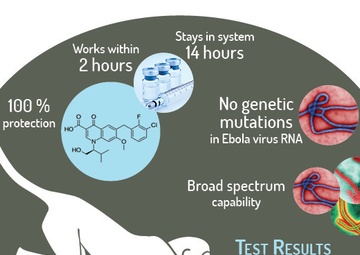
The Ebola virus, a type of filovirus, was first identified in 1976 resulting in a 50 to 90 percent mortality rate. Since then, five significant outbreaks have plagued West Africa, and the potential to weaponize the virus is a threat too dangerous to ignore. Now the Defense Threat Reduction Agency’s Joint Science and Technology Office, the U.S. Army Medical Research Institute for Infectious......
Courtesy Story | Defense Threat Reduction Agency's Chemical and Biological Technologies Department | 02.07.2017
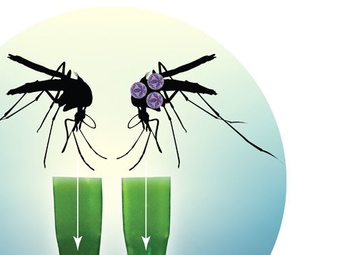
Zika is the latest mosquito-borne disease to capture media attention, but mosquito-transmitted diseases are not new. In fact, malaria originated in Africa around 2700 BC and yellow fever more than 400 years ago. Currently, 10 mosquito-related diseases pose a threat to public health and warfighter safety, making early detection a priority for the Defense Threat Reduction Agency’s Joint......
Courtesy Story | Defense Threat Reduction Agency's Chemical and Biological Technologies Department | 01.10.2017
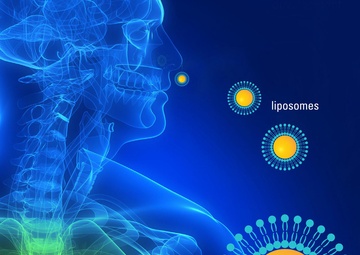
The rising tide of antimicrobial resistance (AMR), or the ability of a microbe to resist the effects of medication previously used to treat them, is a growing threat to both public health and the warfighter. The World Health Organization listed AMR as one of today’s biggest threats to global health, food security and development....
Courtesy Story | Defense Threat Reduction Agency's Chemical and Biological Technologies Department | 12.14.2016
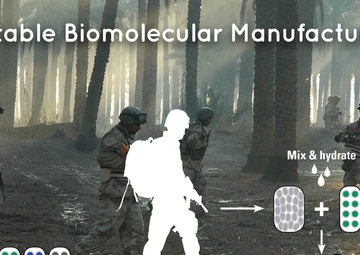
Synthetic biology offers many benefits to the military in the form of advanced therapeutics, crucial vaccines and highly sensitive diagnostic tools developed to protect our warfighters from disease. However, a major challenge is the need for living cellular hosts, specialized equipment and technical expertise for their production and transport. Once produced, refrigeration is necessary both......

Courtesy Story | Defense Threat Reduction Agency's Chemical and Biological Technologies Department | 10.20.2016
FORT BELVOIR, VA - In new research funded by the Defense Threat Reduction Agency's Joint Science and Technology Office (JSTO) and performed by U.S. Naval Research Laboratory (NRL) scientists, shark antibodies are proving to offer new alternatives to chemical and biological threat detection and treatment tools. In an era of Department of Defense belt-tightening, the goal is to find more......
Courtesy Story | Defense Threat Reduction Agency's Chemical and Biological Technologies Department | 06.30.2016
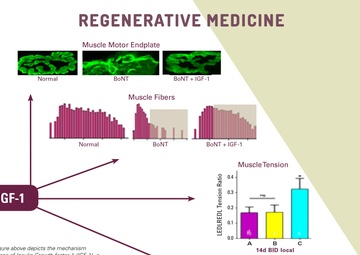
Engineered by the Canadian weapons program in 1939, Botulinum neurotoxins (BoNTs), once known as Agent X, are some of the most lethal toxins available. Although Canada did not produce a biological weapon using BoNTs, the United States, Japan, Germany, former Soviet Union and Iraq successfully engineered BoNTs for use as a weapon of mass destruction....
Courtesy Story | Defense Threat Reduction Agency's Chemical and Biological Technologies Department | 05.24.2016
Much like the skin is the body’s first line of protection, a warfighter’s uniform acts in a similar way against chemical and biological threats. However, the research, development and production of uniforms to equip more than two million troops does not come at a small cost. To address this issue, the Defense Threat Reduction Agency’s Joint Science and Technology Office, in collaboration......




