
Courtesy Photo | Maintaining healthy habits, scheduling routine exams and self-management can help...... read more read more
 Subscribe
By Bernard S. Little Walter Reed Hospital Communications Diabetes can impact military readiness, potentially preventing the deployment of a service member if the condition is not properly managed, which is why Walter Reed provides presidential care for those diagnosed with it.
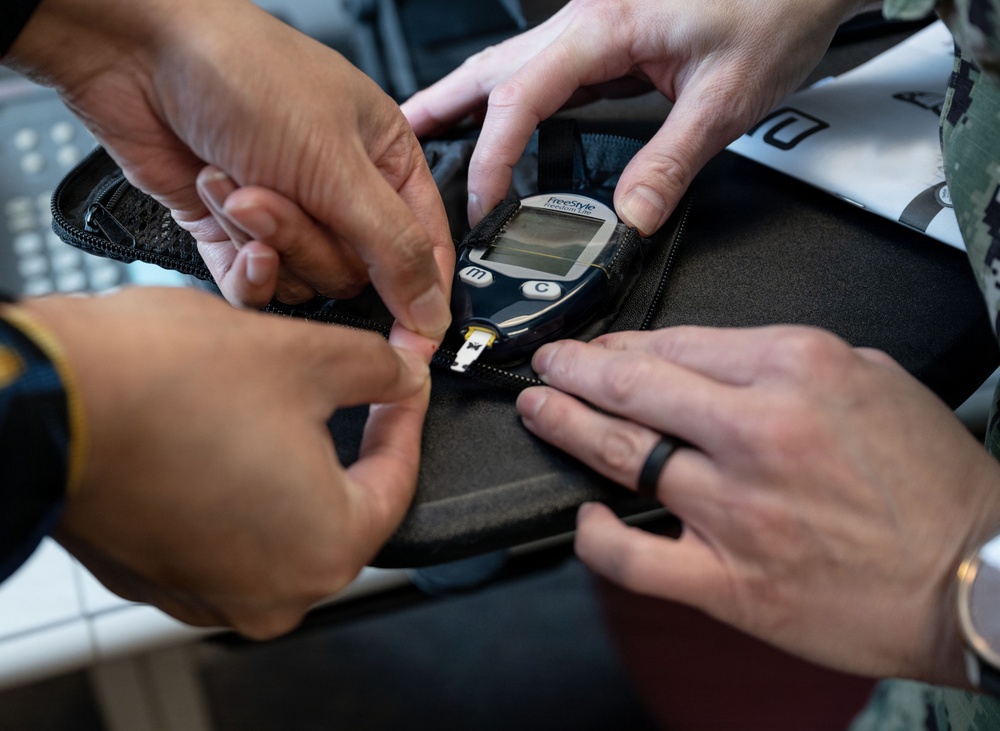
Management of diabetes involves a multifaceted approach, including nutrition, regular physical activity, blood sugar monitoring, medications, and stress management to control blood glucose levels and prevent complications, and Walter Reed has individualized management for adult patients with Type 1, Type 2, and other less common types of diabetes mellitus.
Dr. Deirdre Smith, an endocrinology nurse practitioner and a certified diabetic educator in Walter Reed’s Department of Endocrinology, explained that a diabetes diagnosis is a readiness concern because service members may not be able to deploy due to the potential for lack of available resources such as medical care, laboratory services, and medication in certain regions. Both the disease, if not well controlled, and certain diabetes medications can cause incapacitation if not managed properly, Smith added.
“That said, those servicemembers meeting glycemic targets and who demonstrate glycemic stability may request a waiver from the combatant commander in the area of responsibility (AOR) which would allow [for deployment],” Smith stated.
At Walter Reed, Military Health System (MHS) beneficiaries diagnosed with diabetes are referred to the Department of Endocrinology. “We provide evaluation and management and, depending on the patient’s diagnosis and means of management, may discharge the patient back to the primary care provider or have the patient remain under Endocrine Services,” Smith said.
Obesity is a major contributor to Type 2, the most common and preventable form of the condition. According to a study conducted by military researchers, “The incidence of prediabetes increased from 588.2 to 763.8 cases per 100,000 person-years (p-yrs), and the incidence of T2DM (type 2 diabetes mellitus) increased from 55.5 to 69.6 per 100,000 p-yrs [between 2018 and 2021]. The largest relative increases in obesity prevalence were in the youngest (<30 years) age categories. Rates have shown an increasing trend in recent years, likely due to factors such as increasing obesity rates and lifestyle changes.”
Type 2 diabetes is caused by a mix of genetics and lifestyle, leading to insulin resistance or insufficient insulin production, resulting in high blood sugar, while Type 1 diabetes, most often identified in children and young adults, causes the body to stop producing insulin. The difference is Type 1 is an absolute insulin deficiency, while Type 2 is a problem with insulin use and supply. Also, gestational diabetes occurs during pregnancy and generally resolves within six to 12 weeks after delivery.
The Centers for Disease Control and Prevention (CDC) reports that many people with diabetes are often unaware of their condition until organ damage occurs. The CDC recommends maintaining healthy habits and scheduling routine health and vision exams to help battle the condition, which common symptoms include frequent urination, excessive thirst and/or hunger, fatigue, unexplained weight loss, numbness or tingling in the hands or feet, slow-healing sores, and blurry vision.
“We understand the impact of receiving a diagnosis of diabetes and recognize the challenges imposed to control it,” said Smith. “There are many resources within the MHS to help our patients, for example, other specialty services such as optometry, nephrology, nutrition and behavioral health, the Army Wellness Center as well as new and ever improving technology. As much as the burden lies upon the patients to create lifestyle change, self-administer medication and monitor blood glucose levels, we are here to support and report that by implementing [healthy habits and management] one can expect and enjoy improved health outcomes,” she added.
For more information about Endocrinology, Diabetes, and Metabolism services at Walter Reed, call 301-295-5165 or visit https://walterreed.tricare.mil/Health-Services/Specialty-Care/Endocrinology-Diabetes-Metabolism.
| Date Taken: | 12.09.2025 |
| Date Posted: | 12.09.2025 13:39 |
| Story ID: | 553560 |
| Location: | US |
| Web Views: | 134 |
| Downloads: | 0 |

This work, Walter Reed provides individualized management care for those with diabetes, by Bernard Little, identified by DVIDS, must comply with the restrictions shown on https://www.dvidshub.net/about/copyright.

No keywords found.




