

Graphics by Christopher Binnie | Directorate of Prevention, Resilience and Readiness | 07.01.2026
Feb 2026 Webinar
Graphics by Christopher Binnie | Directorate of Prevention, Resilience and Readiness | 07.01.2026
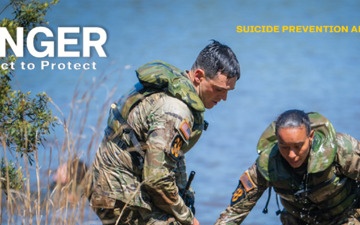
September is Suicide Prevention and Awareness Month, a time to raise greater awareness of resources for Army Soldiers, Civilians and Family members who may need crisis support or want to help someone they know. The Army’s SPAM theme for 2026 is “We Are Stronger Together. Connect to Protect.” This theme emphasizes the role that strong, positive relationships play in countering suicide......

Graphics by Christopher Binnie | Directorate of Prevention, Resilience and Readiness | 07.01.2026
Across the Army, prevention specialists work alongside Sexual Assault Response Coordinators and Victim Advocates to build a comprehensive approach to the prevention of sexual harassment and sexual assault that strengthens both immediate response and long-term cultural change. While SARCs and VAs provide confidential support to survivors, prevention professionals analyze trends, identify......
Graphics by Christopher Binnie | Directorate of Prevention, Resilience and Readiness | 07.01.2026
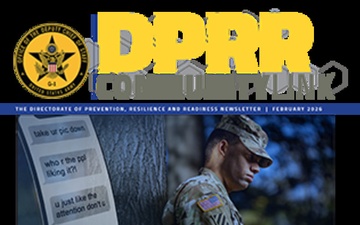
In this issue of the Community Link newsletter, you’ll learn about technology-facilitated abuse and how to spot the signs, the BH Pulse tool for Commanders, nutritional readiness, and Army financial support for couples. You’ll also learn about the New Parent Support program for Families, upcoming events and more....
Graphics by Justin DeBraux | Norfolk Naval Shipyard | 07.01.2026
Norfolk Naval Shipyard comes together in celebration of America's 250th Birthday. We celebrate the nation we love, and the incredible people who keep it safe. For over two and a half centuries, the civilian and military workforce at Norfolk Naval Shipyard has stood ready to support the fleet. As we mark America's Semiquincentennial, we thank every teammate at NNSY who works tirelessly to keep......
Graphics by Marisa Berkey | Norfolk Naval Shipyard | 07.01.2026
Norfolk Naval Shipyard comes together to celebration Independence Day - July 4th. Freedom isn't free—it's maintained by the hard work, dedication, and readiness of our military and civilian teams. Today, we celebrate the birth of our nation and recognize the NNSY workforce that keeps our ships in the fight. Wishing our shipyard family, our local community, and our nation a safe and happy......

Graphics by Lorenzo Raines | Norfolk Naval Shipyard | 07.01.2026
For this month's NNSY Safety Corner, we're taking a look at some grilling fire safety tips to follow during your summer grilling sessions....

Graphics by Tanner Perry | Defense Health Agency | 07.01.2026
Round Black DHA logo in support of Office of Research and Regulatory Compliance




