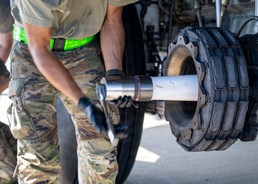
HURLBURT FIELD, Fla. — From windswept desert landscapes to sub-zero arctic conditions, the 1st Special Operations Wing is called to send its air power anywhere, any time -- a promise sustained by around-the-clock efforts of aircraft maintainers.
When aircraft return home, these specialists begin a rigorous reconstitution process to restore them to mission-ready status following a deployment.
"When people see the MC-130s, a lot of them just see the aircraft, but they don't see the hard work and sacrifice it takes from so many people to get that aircraft back in the air after it returns from deployment,” said a 1st SOW MC-130J Commando II expeditor.
The process begins the moment an aircraft lands. Due to the nature of deployed environments, rigorous inspections cannot be accomplished until they return to their home station. Once maintainers secure the aircraft, they inspect those systems and download data collected during flight. They review that information and gather feedback from aircrew to identify issues data collection alone may not reveal.
"Aircrew and maintenance may, through experience, recognize things that could be going wrong," said the expediter. “It's good to have a balance between the two."
Aircraft returning from deployment often require more extensive maintenance than those operating at home station. Extreme temperatures, ice, sand, dust, oil, birds, bugs and increased flying hours can accelerate wear on aircraft systems and components.
According to the expediter, some of the most common maintenance requirements for returning aircraft are complete washes, tire and wheel assemblies, window replacements, and even full engine swaps. Once needed repairs are identified, technicians schedule projects in order of priority and operational requirement.
"Not only do you have the plane itself getting damaged, the skin and body, but you also have electronics heating up and being affected,” said a 1st SOW MC-130J maintenance squadron production superintendent. “Reconstitution is really important."
The reconstitution process requires coordination among numerous maintenance specialties, each responsible for different systems and components. Production teams synchronize the work to ensure maintainers can safely and efficiently complete projects without interfering with one another.
"It's very dynamic," said the superintendent. "There are so many moving pieces, there are so many variables thrown in every day that we have to just work with our team."
The significance of that work becomes clear when an aircraft takes flight again after weeks of inspections, repairs and reconstitution efforts.
"For me personally, it's just watching it fly for the first time," said the expediter. "You know the hard work, you know everything that went into that plane when it came back, everything that everyone had to do to get it flyable again, and then just seeing it take off."
As Air Force Special Operations Command continues to project rapid global response capabilities, maintainers remain a fundamental part of ensuring aircraft are prepared for the next mission. Through technical expertise, teamwork and countless hours behind the scenes, they ensure the wing is always ready to deliver combat airpower, anytime, anywhere.