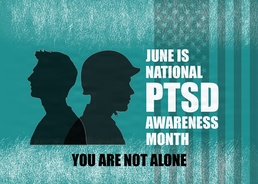
June is Post-Traumatic Stress Disorder Awareness Month, a time dedicated to increasing understanding of PTSD, reducing stigma, and encouraging those affected to seek help and support.
PTSD is a mental health condition that can develop after experiencing or witnessing a traumatic event. While PTSD is often associated with combat experiences, it can affect anyone who has endured other types of life-threatening, distressing, or traumatic situations.
“Traumatic events can stem from other situations,” said April Morris, 403rd Wing Military and Family Readiness director. “Car accidents, natural disasters, any type of violence, or something that they witnessed, basically any event that causes a member to have an adverse reaction.”
Raising awareness helps foster a culture of support and resilience throughout the military community. Awareness also means being able to recognize that some PTSD symptoms may include flashbacks, nightmares, severe anxiety, and uncontrollable thoughts about the traumatic event.
According to theNational Center for PTSD, it is normal to have stress reactions to these types of events, and most people start to feel better after a few weeks. But if the symptoms last longer than a month and are causing problems in a member’s life, it could be PTSD.
“If someone is stressed to the point of not being able to sleep, function, or suffers from debilitating stress or worry, I would have that person go to the doctor and get checked out for PTSD or other such related issues,” said Chaplain (Lt. Col.) Joseph Huffling, 403rd Wing chaplain.
The 403rd Wing remains committed to ensuring Airmen, civilians, and family members have access to resources that promote mental health and readiness.
“Members can seek help through their medical provider, the Wing Director of Psychological Health, Wing Resiliency Program, the Chaplains, or come to the M&FR office to connect with helping agencies and support services,” said Morris.
Military leaders emphasize that seeking help is a sign of strength and an important step toward maintaining personal well-being and mission readiness.
Morris said that members can connect with an expert throughMilitary OneSourcevia phone at 1-800-342-9647 or can use a secure chat through the website.
The Air Force continues to encourage Airmen to look after themselves and their wingmen by recognizing signs of stress, maintaining strong support networks, and utilizing available resources when needed.
“It is important to be able to identify the stressors in a person's life, changes in their behavior, increased alcohol or drug use, unhealthy coping habits, changes in their demeanor, or overall mood as these are indicators that something may be wrong,” said Mary Ruffin, 403rd Wing DPH. “Reaching out for help is never a sign of weakness, but one of strength, resilience, and a step towards recovery.”
Members of the 403rd Wing seeking support or information about available resources may contact:
Through education, awareness, and support, the 403rd Wing continues to promote resilience and readiness across the force.
“Remember, you are not alone. Free help is available 24/7 to service members and their families,” said Morris. “Seeking help is a sign of strength that helps to protect your loved ones, your career and your mental and physical health.”