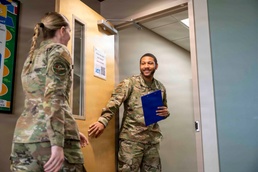
Change of any kind — such as relocating to another assignment, returning from deployment, transitioning to National Guard or Reserve, or preparing to leave service — may warrant extra mental health support.
And while warfighters are often selfless, putting others or the mission above themselves, it’s important for service members to take care of their health, said Alia Creason, a Ph.D. clinical psychologist and program manager for the free, confidential inTransition program.
“This can make them a more effective warfighter,” she said. “Our military programs and support services, such as inTransition, are available to help them along the way and be their very best.”
inTransition offers brief, one-on-one coaching to active duty service members, National Guard and Reserve, veterans, and retirees who need access to mental healthcare or resources during times of transition. The Defense Health Agency program “mediates some common barriers to seeking care and increases the likelihood that a service member or veteran will continue with their mental healthcare,” said Creason.
“inTransition helps facilitate connections to follow-on mental healthcare and resources for service members and veterans during any time of transition,” she emphasized.
For the approximately 200,000 service members who separate from the military annually and many others who transition to other assignments, change jobs, and relocate each year — the program offers assistance for any time during a transition where they need a new mental health provider or need a provider for the first time.
To stay mentally resilient throughout any transition, Creason offered crucial tips to help.
Warfighters and former military service members must take mental healthcare seriously because maintaining mental wellness is “essential for overall readiness and resilience during transitions,” Creason said.
“Just like your physical health, any difficulties you are experiencing with your mental health and wellness can impact your ability to function in everyday life,” she added, noting physical and mental health “all work together to ensure optimal readiness,” resiliency, and lethality.
When you’re moving to another assignment, keeping mental health in mind is important before, during, and after relocating, stressed Creason.
“A key to a successful transition is preparation. Having a plan and support system already in place and reaching out for resources that might be needed — whether financial, occupational, mental health-related or for other reasons — before the transition can really make the difference,” she said.
To have that support, you can seek assistance from your command, healthcare providers, and programs like inTransition, Creason suggested.
“Seek out a sense of purpose,” Creason said, as you adjust to your life change.
“Transition from service involves an identity shift as much of your personal identity and purpose may have identified you as Soldier, Sailor, Airman, Guardian or Marine.
Finding an outlet through volunteering or other activities may help maintain or develop some new sense of purpose,” she suggested.
When you return from a forward or austere deployment or long-term assignment, it’s normal to experience some challenges or mental health concerns as you adjust, Creason noted.
“inTransition can help with these transitions” through its coaching assistance, she said. Seek out others who have gone through changes to gain their perspective, as “peers who have been through similar experiences can serve as another avenue of support.”
When you move from active duty to National Guard or Reserve status or vice versa, inTransition can assist in bridging your mental healthcare.
inTransition coaches are skilled in military culture and protect your privacy, said Creason.
They’re all “licensed, master’s-level mental health providers” trained in “motivational interviewing, and knowledgeable in mental health, substance abuse, and community and military resources.” They also know about TRICARE eligibility and veterans’ programs.
One-on-one coaches follow you by phone until you establish follow-on care with your new provider or you have connected with the resources you need. Coaches can help in a number of practical ways, including:
Coaches assist with interventions appropriate for you as an individual, including:
Take action today to access mental healthcare support, Creason emphasized.
Military members, veterans, and retirees can enroll anytime by emailing mailto:dha.intransition@health.mil, calling 800-424-7877 in the U.S., using the live chat through the program website, or by requesting a referral from your healthcare provider. For those outside the country, check out the website for specific international calling information.
inTransition services are available to all military members regardless of length of service or discharge status. Separating service members who have received mental healthcare within the past 12 months are automatically enrolled but can decline services at any time.
The DHA’s mental health resources provides tools and information to help individuals and families with managing their mental health, suicide prevention resources, tips for supporting your teammate, and more.