KINGSLEY FIELD, Ore. — Kingsley Field is taking a proactive step toward the future by exploring the integration of artificial intelligence to streamline administrative processes and enhance mission readiness.
The initiative aims to reduce the manual workload on Airmen, allowing them to focus more on primary duties and core training—directly supporting the wing’s operational effectiveness.
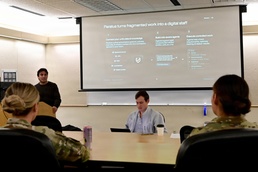
A recent on-base workshop brought together personnel from multiple units, including commander support staffs, squadron aviation resource management and unit training managers, to examine potential applications of AI. Participants shared insights on how emerging technologies could address common administrative challenges across the installation.
Airmen across the force face a significant administrative burden, often spending hours searching regulations, tracking readiness metrics and processing routine paperwork. These time-consuming tasks can fragment data, slow decision-making and reduce time available for mission-critical responsibilities.
Current AI platforms offer immediate solutions by functioning as a “digital staff,” capable of assisting with a variety of administrative functions.
One key capability is the creation of a centralized knowledge base. AI systems can organize Air Force Instructions, Oregon Air National Guard Instructions and local Kingsley Field Instructions into a single, searchable resource, providing quick, sourced answers to regulatory questions.
AI can also enhance readiness tracking and forecasting by analyzing unit data to identify training requirements, monitor completion dates and predict when tasks are due. While current processes require manual data uploads from systems such as Envision, efforts are underway to pursue direct integration for real-time visibility.
Additional capabilities include automating routine forms and improving communication. AI tools can generate documents, send automated notifications about upcoming drills or overdue training, and provide direct links to required resources.
During the workshop, Kingsley personnel identified several opportunities to further tailor AI capabilities to local needs.
These include intelligent document management systems that could generate memorandums for record using Air Force standards outlined in Tongue and Quill, ensuring proper formatting and compliance from the first draft. Other proposed improvements include approval tracking workflows for multi-level coordination and automated scheduling tools to help units efficiently plan training around mandatory base events, such as commander’s calls.
“The ultimate goal is to free our Airmen from monotonous, repetitive work,” said Col. Adam Gaudinski, commander of the 173rd Fighter Wing. “By automating these essential but time-consuming tasks, we can save thousands of man-hours across the wing. This reclaimed time will be reinvested where it matters most - sharpening the technical skills that make our force more ready and lethal.”
As Kingsley Field continues to evaluate and implement these technologies, leadership is also identifying additional opportunities to apply AI across the mission set. The effort represents a broader commitment to innovation and ensuring Airmen are equipped to meet the demands of the modern operational environment.