The U.S. Army Corps of Engineers (USACE), Middle East District, is launching an initiative to modernize its construction and project delivery methods. The collaborative effort will work with construction contractors and USACE partners to identify areas that have typically been roadblocks to the design and construction process and pilot ways to overcome those barriers.
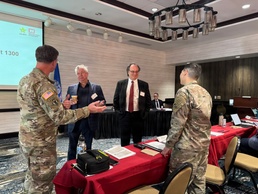
The effort kicked off with a “Townhall with Industry,” with around 100 contractors and representatives from the Middle East District holding panel discussions that identified common problems that have slowed projects down. While much of the U.S. Army Corps of Engineers’ work focuses on civil infrastructure and waterway management in the U.S., the Middle East District builds military infrastructure for U.S. military and allied nation partners in the Middle East. The District’s Commander, Col. Christopher Klein, said he viewed these efforts as leaning forward on efforts already underway throughout the Corps’ civil works missions.
“To improve delivery for customers, USACE is incorporating alternative design and delivery methodologies into the domestic portfolio. At the Middle East District, we must improve our ability to deliver quality projects to our warfighters and mission partners before the time of need. Successful implementation of these alternative strategies requires understanding and commitment between us and our industry partners. At this Town Hall event, our district is learning from industry how to make faster delivery in our AOR a reality,” said Klein.
As noted in the concept paper, current models face "growing pressure from accelerated timelines, constrained budgets, and the need for greater innovation."
"We are challenging our industry partners to propose holistic solutions that integrate novel design concepts, cutting-edge construction techniques, and progressive project delivery frameworks," said Lt. Col. Jerry Andes, a contract specialist and a key figure in launching the initiative. "Our goal is to fundamentally transform how we approach project development and execution, moving beyond a 'one-size-fits-all' approach to embrace a future of greater collaboration, innovation, and shared risk."
The town hall confronted key barriers that can slow down projects, including obstacles specific to the region, contractual laws, regulations, and policies, end-user expectations, and cultural barriers.
Andes said that the ultimate objective was not discussion, but action. The District intends to work with industry to define and launch pilot projects to test these new collaborative models on upcoming missions.
"We're not just talking about theory; we are looking for tangible results." Andes stated.
"We want to identify two or three potential upcoming projects to serve as ideal candidates for piloting these novel, collaborative design, and delivery methodologies. It’s about putting ideas into action to build a more responsive engineering process for our nation and our partners."