By Bernard S. Little WRNMMC Hospital Communications
Fueling the body properly is essential to maintaining strength, endurance, and resilience across the force. According to experts at Walter Reed National Military Medical Center and the Consortium for Health and Military Performance, or CHAMP, at the Uniformed Services University (USU), “nutrition is a mission-critical component of warrior readiness driving physical performance, cognitive function and mental resilience.”
Proper nutrition helps service members “sustain energy, reduce injury risk, accelerate recovery from intense activity, enhance overall combat effectiveness, and prepare them for duty in challenging environments,” according to Robert Goldberg, a registered dietitian and certified diabetes care and education specialist in Outpatient Nutrition Services at Walter Reed, and officials at CHAMP.
March is observed annually as National Nutrition Month, and this year’s theme, “Discover the Power of Nutrition,” encourages people to consider the role protein plays in their diet.
“The role protein plays in a person’s diet is a hot topic these days and goes hand in hand with power and strength. People typically think they need more protein than they actually do,” said Goldberg.
New dietary guidelines from the U.S. Department of Agriculture (USDA) prioritizes whole, nutritious foods, including “high-quality, nutrient-dense protein from both animal and plant sources, paired with healthy fats from whole foods such as eggs, seafood, meats, full-fat dairy, nuts, seeds, olives, and avocados.”
Goldberg noted that many food companies promote high-protein labels to make people believe that they need more to be healthy.
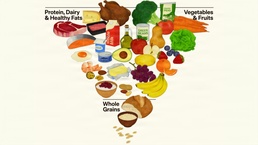
The USDA’s 2026 Real Food recommendations feature an updated and inverted pyramid guide emphasizing whole, nutrient-dense, and minimally processed foods. The model prioritizes daily intake of “whole, colorful, nutrient-dense” vegetables and fruits in their original “fresh form,” along with whole grains, healthy fats and proteins, while encouraging a reduction in added sugars and highly processed foods.
“Highly processed food has hollowed out our health, driving obesity, diabetes, heart disease, and early death. The truth is simple: real food restores health,” state USDA officials.
With increased attention on protein intake, Goldberg cautioned against overconsumption and stressed the importance of balance and hydration.
Some service members, many who train like athletes, believe they need massive amounts of protein and carbohydrates to build strength and endurance. However, consuming too much protein can increase saturated fat intake and raise the risk of heart disease, while also contributing to digestive issues, dehydration, and cancer risk.
“Eating in an unhealthy manner can increase the risk for obesity, Type 2 diabetes, and heart disease,” said Goldberg.
“I’d recommend visualizing your mealtime plates as half of your plate being non-starchy vegetables such as broccoli, salad, cucumber, etc., along with fresh fruit; roughly ¼ of the plate with high fiber starch such as brown rice, whole grain bread, oatmeal, etc.; roughly another ¼ of the plate with lean protein; and an additional serving of low-fat dairy on the side.”
He added that drinking water throughout the day helps maintain hydration and supports both injury prevention and weight management.
A healthy diet rich in vitamins and nutrients directly impacts mental clarity, alertness, and the ability to manage stress, according to CHAMP. “Proper, sustained nutrition helps prevent burnout and supports immune function, important for maintaining long-term physical health and avoiding illness.” This contributes to force and warrior readiness.
“For those eligible, Walter Reed has several outpatient registered dietitian nutritionists (RDNs) that can help meet dietary goals and needs,” Goldberg added. “In order to schedule a one-on-one appointment with an outpatient RDN, a referral is not needed. Call the Outpatient Nutrition Clinic at 301-295-4065 to schedule an appointment.”