AL ASAD AIR BASE, Iraq - In combat, timeliness is everything, and when it comes to wounded service members, a quick response and delivery to appropriate medical care can mean the difference between life and death.
Whether the injured are located in rural areas of Iraq or on forward operating bases, a group of soldiers aboard Al Asad Air Base are ready to come to the rescue.
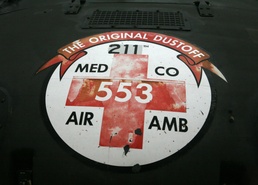
Soldiers of Company C, 2nd Battalion, 211th Aviation Regiment, General Support Air Battalion Air Ambulance, work around the clock to provide air medical evacuation services for coalition forces of Multi-National Force - West, Iraqi civilians, contractors and occasionally enemy detainees.
"The primary job of medical support is to get patients off the battlefield as quickly as possible," said Army 1st Sgt. Andrew Carrillo, first sergeant of 2/211.
In order to ensure this timely response, two crews are on always on duty; 24 hours a day, seven days a week. Each crew consists of a four-man team: a pilot-in-command, a co-pilot, a crew chief, and a medic, who stay within sprinting distance of their mission-ready aircraft during their assigned shift.
Army Sgt. Thomas McNamara, a crew chief with 2/211, said the crews maintain their fleet of UH-60 Black Hawk helicopters to be ready to fly at a moment's notice, and the crews constantly practice their response routines. By going through the same routine for each and every mission, they can cut down on their response time and get airborne and to the scene of an emergency faster.
"Even the mundane tasks, from putting on your seat belt to climbing in and out of the aircraft, we do the same way, every time," advised McNamara. "Doing the same thing, the same way every time will save your life and someone else's."
Should the crews receive a non-routine medical evacuation call, they have a maximum of fifteen minutes to gather the crew and get off the ground.
Army Staff Sgt. Micah Ann Anderson, a 2/211 flight operations non-commissioned officer in charge, said most medical evacuation missions generally take an hour and a half from start to finish. Five to ten minutes are spent on the ground, depending on the location, and the rest of the time is spent getting to the scene of the emergency and transporting the patient to a designated military hospital or clinic. Aviation detachments similar to the one at Al Asad are scattered throughout the province to ensure the forces operating within the region have medical response coverage.
When the crews are not responding to medical evacuation calls, they plan routine flights to transport supplies and non-emergent patients from one base within Al Anbar province to another. These scheduled runs take place once every three days or so, depending on need and weather, and reach such far-flung outposts as those at Camp Korean Village and Al Taqaddum.
Anderson said the soldiers have learned a lot during this deployment and responded well to the stress and demands of the missions.
"We have done very well in terms of our flight hours and missions," said Anderson. "At the end of the day, it's great to be part of saving lives."