
Photo By Staff Sgt. Melyssa Vazquez | U.S. Soldiers assigned to the 109th Mobile Public Affairs Detachment, 213th Regional...... read more read more
 Subscribe
FORT HOOD, Texas - So you got a NOS. No, not the energy drink. A Notice of Sourcing the first step in preparing for a year-long timeline for a unit to deploy. Although, a few energy drinks will help keep the Soldiers motivated and energized during this time.
IPRs
The Army’s In-Process Review is a barometer check on a unit’s progress during any given long-term task or goal. After you receive the unit's NOS, these can be conducted a few different ways and at different levels. Your immediate higher command will have these monthly in preparation for a state level review. During these collective meeting of the minds, there will be various checkpoints and tasks that need to be completed. Products that need to be submitted and presentations that need to be given to various stakeholders.
CTE
A Culminating Training Event is a major evaluation event in preparation for deployment. CTEs force units to face complex real world scenario to include tactical movements and engagements with opposing forces. This is typically done in conjunction with First Army Observer Coach/Trainers. The OC/Ts come in and do as their name suggests, they observe and help train the unit conducting the CTE in their various Missions Essential Tasks and Level 10 tasks required for mobilization. They can also provide feedback and guidance on readiness and overall military standards. At the end of the CTE, First Army will make a suggestion on whether or not the unit has met all requirements and will determine if they are validated.
Travel
The process of mobilization a unit requires a lot of travel. Typically this is done with Full Time Unit Staff and someone from the command team of the unit. During this process the assigned Unit Status Tracker Manager will need to travel to conferences, like the Pre-Mobilization Review and Resourcing Synchronization. This event has historically been an in-person event, but in recent years, its been moved to the remote connection. The PRRS is focused on reviewing the unit's Force Tracking Number mission requirements and to lay the groundwork for a follow up conference that happens 30 to 60 days after the Multi-Component Joint Assessment conference, which is a week-long event where deploying National Guard and Army Reserve units plan, develop and synchronize their training and mission support for upcoming overseas operations.
This collaboration between First Army and the National Guard and Reserve ensures logistics, admin and readiness are on track. This is also where units can propose alternate timelines for their CTE, or suggest different mobilization sites that may be better for their mission, size and location. After the mandatory planning, the unit may be required to conduct a Pre-Deployment Site Survey to the area of operations.
NFH
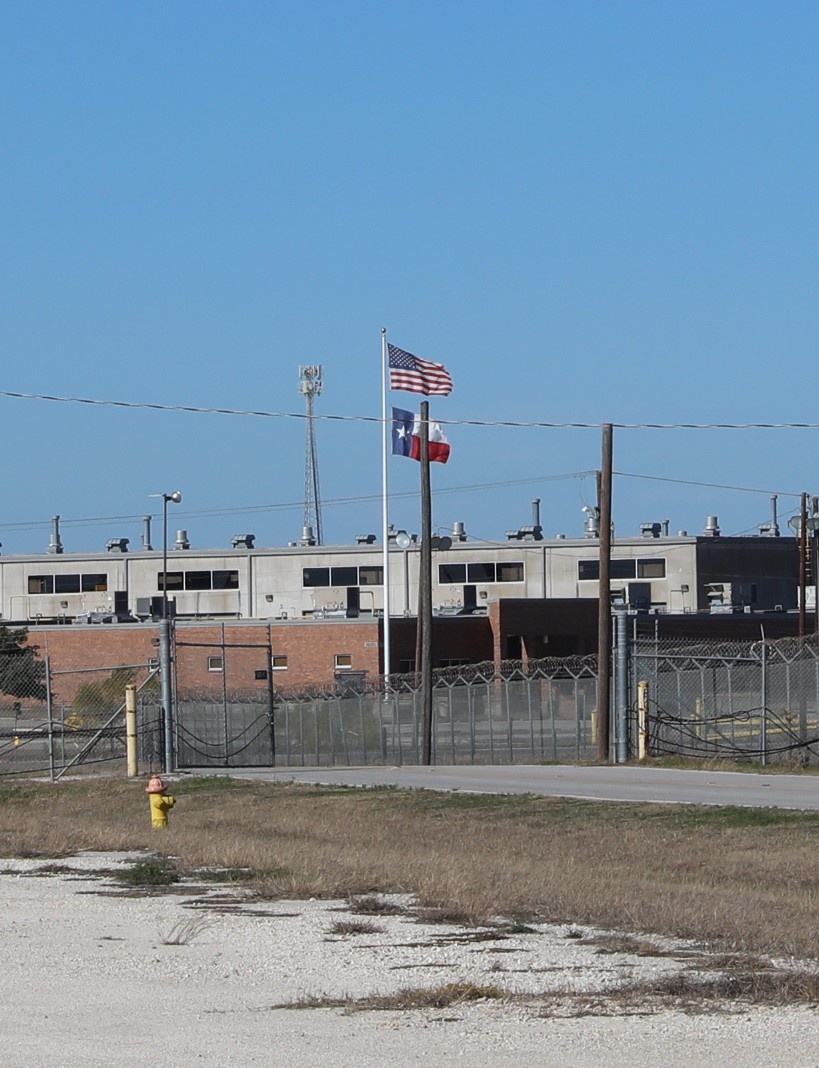
North Fort Hood serves as a premier Mobilization Force Generating Installation, specifically designed as a "last stop" for units to validate the before overseas deployment. Its primary purpose is to centralize the mobilization and demobilization process, providing a controlled environment where First Army oversees medical screening, administrative processing and intensive collective training exercises. The facility’s scale is significant. It maintains an annual throughput of approximately 10,000 to 20,000 soldiers, with modern barracks capable of housing and training up to 3,500 personnel simultaneously. By streamlining these logistical and tactical requirements in a single location, North Fort Hood ensures that multi-component forces are fully integrated and lethally prepared for global contingency operations.
UST Reviews
The Units Status Tracker is how a unit tracks the required training and tasks needed for mobilization. This can vary depending on the type and size of the unit. Some can be very straightforward and simple with few requirements. Others can be quite extensive. The UST is a product developed and delivered to the unit during the Multi-Component Joint Assessment conference. This is a critical planning event where deploying Army Reserve and National Guard units synchronize training, resources and logistics with active-duty partners to prepare for overseas missions ensuring readiness and alignment with operations needs. After the various training and conferences are complete, there will be a review of the status of the unit's training. This is done at multiple levels. There will be a local level done with the next higher echelon of command and control, most likely a brigade S3 officer. Then a final state level review done by the Deputy Adjutant General-Army. Once signed off by the state, First Army will do one final review and help tidy up any loose ends not completed by the unit due to either lack of availability or time.
Equipment/Luggage
The amount of gear or equipment that's required will vary depending on the original Notice of Sourcing. This primary document drives the entire deployment process. This will or should, depending on how well it's written, provide guidance on what is required for a unit's mobilization. Larger units will mobilize with a good portion of their standard rolling stock or assigned vehicles. Units will also typically deploy with METL essential equipment that's required for their specific Military Occupation Specialty. All of this is in addition to personal gear and clothing. Each Soldier is allowed four bags total. Two of these bags typically get packed in some sort of shipping container to be moved into theater separate from the checked baggage. Soldiers have to keep in mind that they may not be able to bring everything that they want, and some cuts will need to be made.
Ultimately, the road from a NOS to the final rotator flight is a grueling but essential gauntlet designed to transform a Reserve or Guard unit into a combat-ready force. By navigating the administrative rigor of IPRs, the logistical complexities of equipment transport and the intensive validation phases at North Fort Hood, commanders ensure that every Soldier is medically cleared, administratively tracked and tactically proficient.
This comprehensive mobilization process, culminating in the final sign-offs by the DAG and First Army, guarantees that when units finally depart for their area of operations, they do so not as a collection of individuals, but as a fully integrated, lethal and mission-capable component of the Army.
| Date Taken: | 01.04.2026 |
| Date Posted: | 01.20.2026 18:04 |
| Story ID: | 555715 |
| Location: | FORT CAVAZOS, TEXAS, US |
| Web Views: | 129 |
| Downloads: | 0 |

This work, From IPRs to Rotators, everything you need to know for post-mob deployment: Fort Hood edition, by SFC Brandon Nelson, identified by DVIDS, must comply with the restrictions shown on https://www.dvidshub.net/about/copyright.


No keywords found.




