
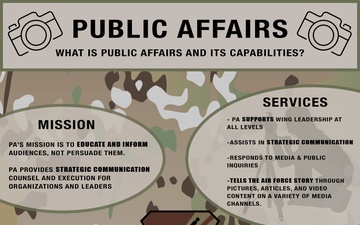
Graphics by Senior Airman Phoenix Lietch | 131st Bomb Wing | 06.09.2024
Public affairs infographic defines the capabilities of the public affairs shop at Whiteman Air Force Base, June 9, 2024. PA's mission is to educate and Inform audiences. (U.S. Air National Guard graphic by Senior Airman Lietch)...
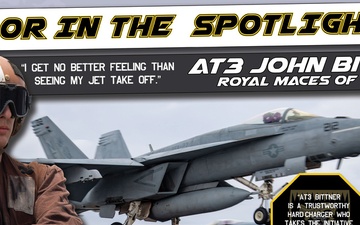
Graphics by Petty Officer 2nd Class Jonathan Estrada-Eguizabal | USS RONALD REAGAN (CVN 76) | 06.08.2024
A graphic illustration that highlights Royal Maces of Strike Fighter Squadron (VFA) 27 Sailor Aviation Electronics Technician 3rd Class John Bittner. USS Ronald Reagan provides a combat-ready force that protects and defends the United States, and supports alliances, partnerships and collective maritime interests in the Indo-Pacific region. The Royal Maces conduct carrier-based air strikes and......
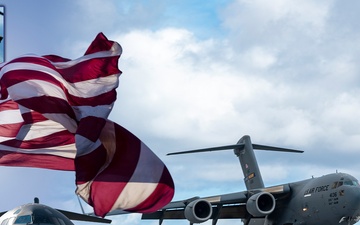
Graphics by Senior Airman Keegan Putman | 1st Combat Camera Squadron | 06.08.2024
Layout and design created for use on social media in support of Valiant Shield 24 June 19, 2024. Valiant Shield is a biennial field training exercise focused on the integration of joint and combined training in a multi-domain environment. Exercises such as Valiant Shield allow the Indo-Pacific Command Joint Forces the opportunity to integrate forces from all branches of service and with our......
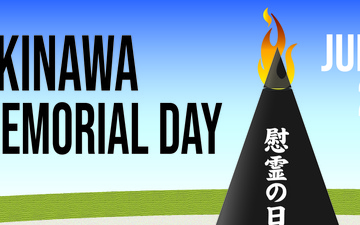
Graphics by Daniel Yara | Marine Corps Installations Pacific | 06.08.2024
This graphic was created using Adobe Illustrator on Camp Foster, Okinawa, Japan, June 21, 2024, in order to raise awareness for Okinawa Memorial Day. Okinawa Memorial Day is a day of remembrance for all who were lost during the Battle of Okinawa. Every year on June 23rd, the Okinawa Peace Memorial Park holds a memorial service and a silent prayer for the victims of the war. (U.S. Marine......

Graphics by Vance L Harris | U.S. Army Corps of Engineers, Memphis District | 06.07.2024
2024 PCC Graphic

Graphics by Vance L Harris | U.S. Army Corps of Engineers, Memphis District | 06.07.2024
2024 Pre-Command Course Graphic
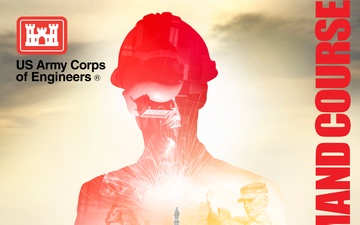
Graphics by Vance L Harris | U.S. Army Corps of Engineers, Memphis District | 06.07.2024
2024 Pre-Command Course Poster
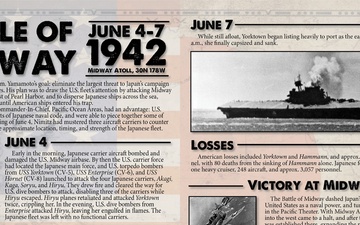
Graphics by Seaman Ryan Freiburghaus | USS RONALD REAGAN (CVN 76) | 06.07.2024
A graphic illustration that commemorates the Battle of Midway. USS Ronald Reagan (CVN 76) provides a combat-ready force that protects and defends the United States, and supports alliances, partnerships and collective maritime interests in the Indo-Pacific region. (U.S. Navy graphic illustration by Mass Communication Specialist Seaman Ryan Freiburghaus)...




